

















Global oil prices surged by more than 3 percent on Monday following Iran’s missile attack on Israel, heightening concerns over a possible expansion of hostilities in the Middle East and potential disruptions to global energy supplies. The sharp rise came despite a decision by OPEC+ to increase production quotas for July.
Oil markets reacted strongly at the opening of trading after Iran launched ballistic missiles at Israel on Sunday, marking the first direct confrontation between the two countries since a ceasefire agreement took effect in April.
As a result, Brent crude climbed above $96 per barrel, while the U.S. benchmark, West Texas Intermediate (WTI), rose beyond $93 per barrel.
The latest developments have unsettled investors, who fear that escalating tensions could undermine ongoing diplomatic efforts and further affect the movement of oil supplies across global markets.
Although Israeli officials reported that all incoming missiles were intercepted and that no casualties were recorded, traders remained focused on the possibility of a broader regional conflict.
The Iranian attack followed an Israeli airstrike in Beirut targeting what authorities described as a Hezbollah command centre.
Prior to the strike, Tehran had warned it would retaliate if Beirut came under attack. Israel subsequently launched military operations against targets in western and central Iran, intensifying the already fragile situation.
The latest exchange has placed renewed pressure on the ceasefire arrangement and raised doubts about prospects for long-term stability after months of conflict.
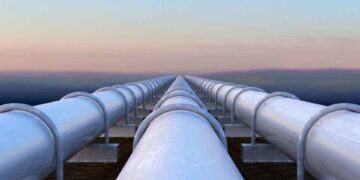
Meanwhile, energy analysts say the key concern for oil markets remains the Strait of Hormuz, one of the world’s most important maritime routes for crude oil transportation.
Recent diplomatic engagements had fuelled optimism that the strategic waterway could resume normal operations, helping ease supply concerns. However, the renewed violence has revived fears that disruptions to shipments could continue for an extended period.
Experts caution that if negotiations collapse completely, oil prices could rise even further as global markets struggle to compensate for lost supplies.
However, U.S. President Donald Trump also sought to reassure investors, maintaining that diplomatic efforts remain active and calling on all parties to exercise restraint.
Nevertheless, with military actions continuing and uncertainty surrounding negotiations persisting, investors are closely monitoring developments for signs of either de-escalation or a wider regional conflict.
For now, the oil market remains caught between hopes for diplomacy and fears that escalating tensions could trigger a deeper global supply crisis.