





By Enyichukwu Enemanna
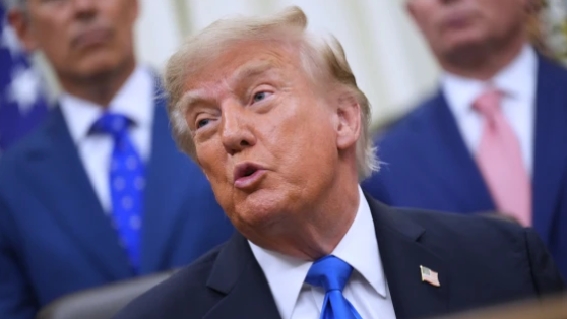
President Donald Trump’s administration will start phasing out United States financial support for Namibia’s HIV response programmes, the latest among southern African countries to be hit by the withdrawal of foreign aid by Washington.
The U.S. will however provide Namibia with $45 million for its HIV response in the 2027 fiscal year but the southern African country will then start funding its own HIV programmes, with the U.S. only providing “technical cooperation,” both countries said in statement.
Namibia has received about $45 million annually through the U.S. President’s Emergency Plan for AIDS Relief in recent years. The United States says it has contributed more than $1.1 billion to Namibia’s HIV response since 2003.
While the withdrawal of the funding was expected since the Trump administration’s “America First” approach to foreign aid was announced, it follows Namibia’s rejection of proposed provisions for sharing health data and biological specimens with the United States. Namibia cited privacy, sovereignty and legal concerns for its decision.
The Trump administration has been entering into country-by-country agreements that Washington says will reduce donor dependency, increase domestic financing and safeguard American interests.
The U.S. has signed agreements with about 30 countries since late last year, many of them in Africa on domestic funding.
But Ghana rejected a proposed agreement over access to sensitive health data, Zimbabwe withdrew from a $367 million package over similar concerns, and a court challenge has put Kenya’s $2.5 billion agreement on hold. Zambia has also objected to data-sharing demands.
Namibian officials previously said the proposed provisions in their original form were “not in compliance with Namibia’s national laws” and infringed constitutional privacy protections and national sovereignty over biological resources.”
Both government are reported to be negotiating a new bilateral health agreement.
The joint statement said Namibia had surpassed UNAIDS targets by achieving a target of 96% of people living with HIV knowing their status, 98% of those diagnosed receiving treatment, and 98% of those treated having achieved viral suppression.
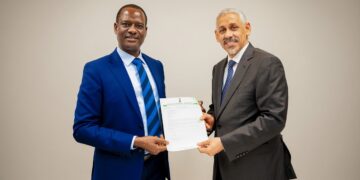
“Over the next year, this support will transition into a technical cooperation model as the HIV response is fully integrated into Namibia’s sustainable national health system, in line with Namibia’s national laws,” the governments said in a joint statement.