






By Enyichukwu Enemanna
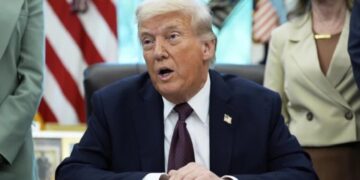
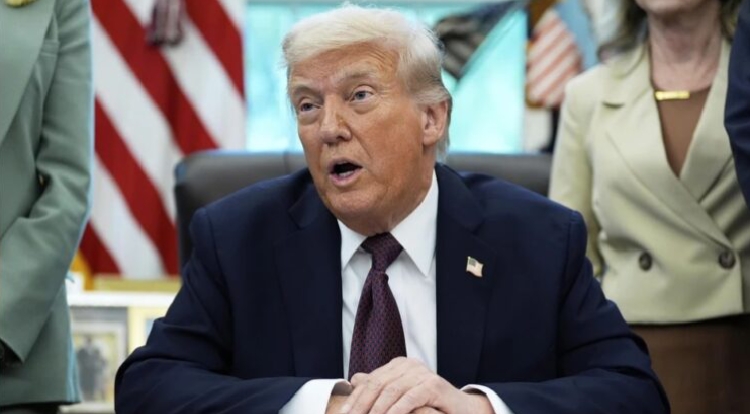
President Donald Trump has announced that U.S. negotiators will be in Pakistan to continue talks with Iran on Monday, a development that comes after Iran reversed its decision to reopen the Strait of Hormuz, insisting that it will continue to block transit through the strait as long as the U.S. blockade on ports remains in place.
Iran has yet to confirm the talks, but its chief negotiator parliament speaker, Mohammed Bagher Qalibaf said that “there will be no retreat in the field of diplomacy,” during a televised interview Saturday night.
US Vice President JD Vance is expected to again lead the delegations in Pakistan, alongside envoys Steve Witkoff and Jared Kushner, the White House said.
Tensions between the two countries have intensified the energy crisis shaking up the global economy. However, mediators have expressed confidence that a new deal will be met soon.
On Saturday, Iran said it has received new proposals from the United States, but it is unclear whether either side has changed stances on key issues that derailed the last round of negotiations, including Iran’s nuclear programme its regional proxies and control over the Strait of Hormuz.
Trump repeated his threats against Iranian infrastructure in his announcement, saying if Iran does not agree to the U.S.-proposed deal, then the U.S. “is going to knock out every single Power Plant, and every single Bridge, in Iran,” he wrote in a social media post.
Meanwhile, transit through the Strait of Hormuz remains blocked. Iranian officials maintained their stance on Sunday that ships would not pass while a U.S. blockade remains in effect.
It is impossible for others to pass through the Strait of Hormuz while we cannot,” Qalibaf said.”
In his post, Trump further accused Iran of violating the fragile ceasefire agreement by firing at ships transiting the strait. Iran called the U.S. blockade a violation, and an “act of aggression.”