


















By Emmanuel Nduka Obisue
Japan has deployed troops to the northern prefecture of Akita following a surge in bear attacks that have left residents terrified and several people dead.
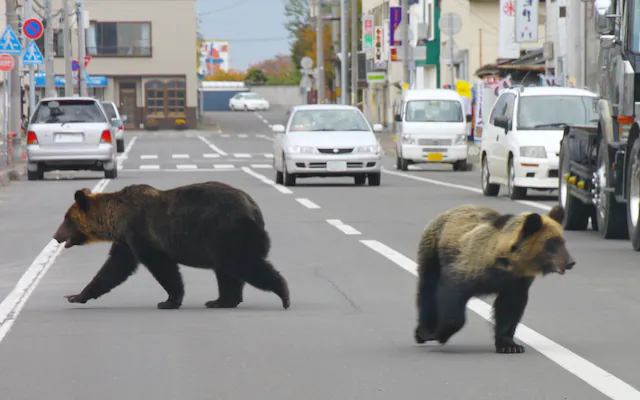
Authorities say encounters with bears have become a near-daily occurrence ahead of the hibernation season, as the animals forage for scarce food supplies. Bears have been sighted around schools, train stations, supermarkets, and even a hot spring resort.
According to the country’s Environment Ministry, more than 100 people have been injured and at least 12 killed in bear attacks across Japan since April. The situation is particularly severe in Akita, where over 50 people have been mauled and four killed since May.
Under a new agreement signed on Wednesday between the Defense Ministry and the Akita prefectural government, soldiers will help local authorities by setting traps, transporting hunters, and disposing of dead bears. Officials stressed that troops will not use firearms or directly kill the animals.
“Every day, bears intrude into residential areas in the region, and their impact is expanding,” said Deputy Chief Cabinet Secretary Fumitoshi Sato. “Responses to the bear problem are an urgent matter,” he added.
The first operation began in the forested mountains of Kazuno city, where troops in helmets and bulletproof vests deployed bear spray and net launchers while setting up traps near orchards.
Local farmers say the losses have been devastating. “Bears have eaten more than 200 of my apples that were ready for harvest. My heart is broken,” orchard owner Takahiro Ikeda told journalists.
Akita Governor Kenta Suzuki described the situation as “desperate,” citing manpower shortages amid rising sightings and attacks.
Defense Minister Shinjiro Koizumi said the mission was launched to “help secure people’s daily lives,” but added that troops’ primary duty remains national defense, limiting how long they can assist.
Experts blame Japan’s aging rural population and abandoned farmlands for the growing problem. Empty villages, overgrown orchards, and abundant fruit trees like persimmons and chestnuts attract bears to human settlements. Once the animals find food, they tend to return repeatedly.
Authorities are now drafting a national bear-response strategy, expected by mid-November. Plans include better population surveys, communication tools for issuing bear warnings, and new hunting regulations.
Experts are also calling for the training of “government hunters” to compensate for a shortage of experienced bear trackers, as most local hunters are elderly.
The Environment Ministry says the lack of preventive measures in depopulated regions has fueled rising populations of brown bears and Asiatic black bears, both of which are now appearing in record numbers near homes.