





By Enyichukwu Enemanna
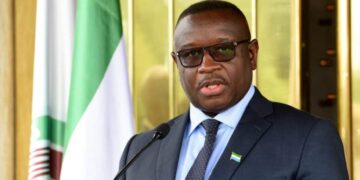
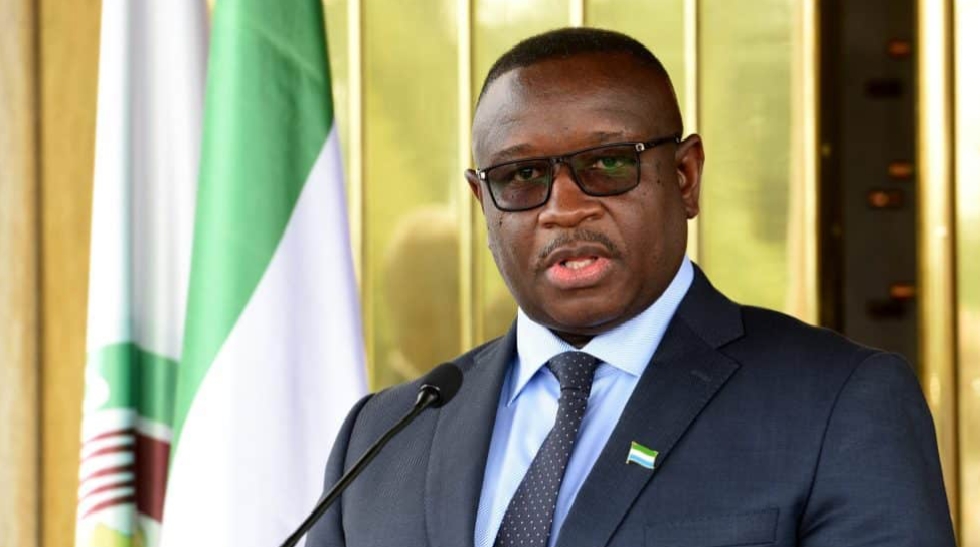
Sierra Leone’s President Julius Maada Bio has urged Parliament to back the disputed electoral reforms, which would lower the presidential victory threshold, introduce proportional representation and reserve 30 percent of political leadership positions for women.
In a televised address, Bio called on lawmakers to end weeks of deadlock and approve the constitutional reform bill.
“The bill before parliament is the product of years of consultation and engagement,” Bio said.
The proposed changes would reshape Sierra Leone’s electoral system ahead of the 2028 presidential election, including a reduction in the threshold required to win the presidency from 55 percent to 50 percent plus one vote.
“I therefore make a clear and solemn appeal: let this bill be passed now,” Bio said.
He urged lawmakers to vote for the reforms in the interests of the country rather than along party lines.
The reforms have triggered a political standoff in Parliament, with the ruling Sierra Leone People’s Party supporting the changes and the opposition All People’s Congress rejecting key provisions.
The ruling SLPP says the proposed system would strengthen democracy while reducing the financial costs, political tensions and security risks associated with presidential runoffs.
The opposition APC, however, wants to retain the existing 55-percent threshold. It argues that the higher bar encourages presidential candidates to build broader national support and gives the eventual winner greater legitimacy.
Under the proposed legislation, a presidential candidate would need to secure more than half of the national vote and at least 20 percent of votes in two-thirds of the country’s districts to win outright.
If those conditions are not met, a runoff would be required.
The bill would also introduce proportional representation for parliamentary elections, changing how seats in the legislature are allocated.
Another major provision would establish a 30-percent quota for women in political leadership positions.
The reforms would also require the President to consider regional balance, gender equality and minority inclusion when making appointments.
Supporters say the measures could broaden political representation and address longstanding concerns over inclusion.