















By Emmanuel Nduka
The 17th Conference of the Parties to the United Nations Convention to Combat Desertification (UNCCD COP17) has ended in Mongolia with a $1.3 billion green investment pledge aimed at supporting land restoration, combating desertification and strengthening drought resilience across vulnerable regions of the world.
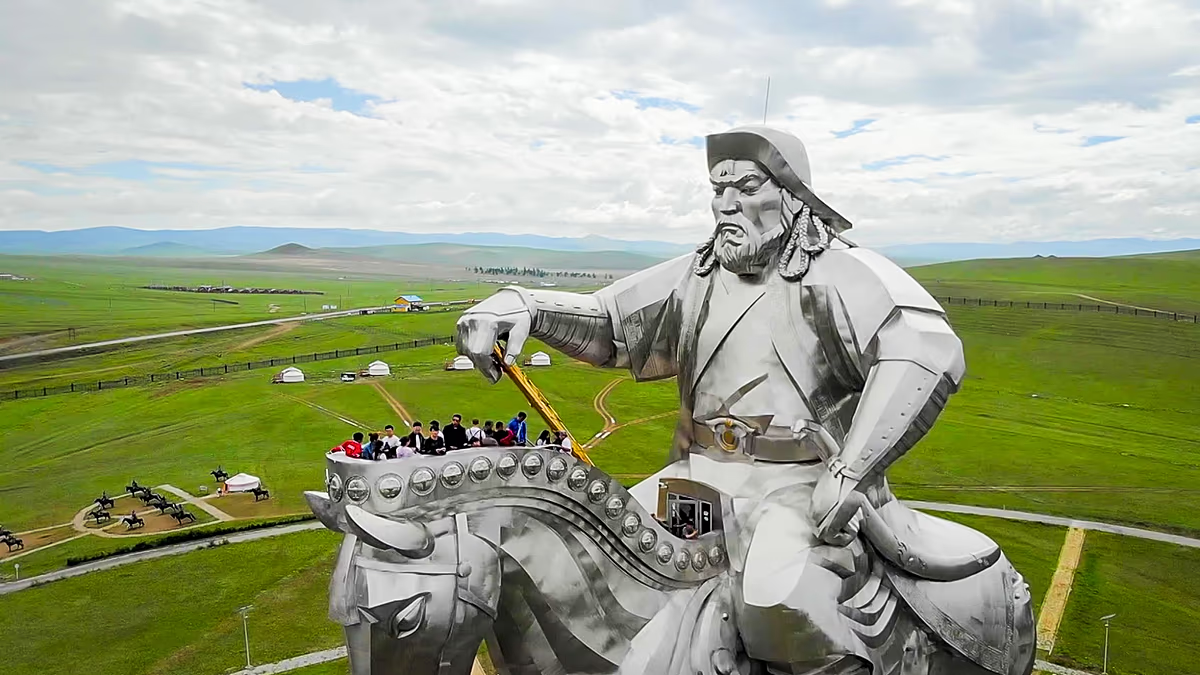
The 12-day conference, held in Ulaanbaatar, Mongolia, brought together representatives of governments, international organisations, financial institutions, scientists, civil society groups and other stakeholders to address the growing global threats posed by land degradation, desertification and drought.
The investment commitment emerged as one of the major outcomes of the summit, which was held under the theme, “Restoring Land. Restoring Hope.”
The pledge comes at a time when land degradation has become one of the world’s most pressing environmental and socioeconomic challenges. Large areas of the world’s land are already degraded, threatening food production, water security, biodiversity and the livelihoods of millions of people.
The crisis is particularly severe in dryland regions, where prolonged droughts, changing weather patterns, unsustainable land use and desertification are placing increasing pressure on communities whose livelihoods depend on agriculture and livestock.
According to the conference organisers, the $1.3 billion investment package will support land restoration and drought-resilience initiatives across 23 countries on five continents.
Of the total amount, $644.5 million represents new financing, while another $216.4 million has already been confirmed for projects aimed at addressing land degradation and strengthening resilience in vulnerable communities.
The financial commitments are expected to help countries move from responding to drought after it strikes to investing in measures that enable communities to anticipate, prepare for and withstand its impact.
A major feature of the conference was the push for increased private-sector and development-finance investment in land restoration, with participants stressing that government funding alone cannot meet the enormous financial requirements of tackling the global land crisis.
The summit also highlighted the need to treat land restoration as an investment opportunity rather than solely an environmental obligation, given its links to food security, economic development, climate resilience and livelihoods.
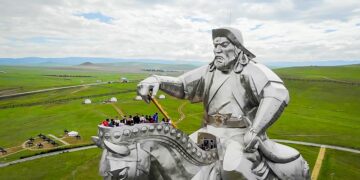
Mongolia provided a particularly significant setting for the conference, having faced severe environmental pressures in recent years. Much of the country’s vast territory is classified as dryland, while desertification and land degradation continue to threaten pastoral communities and livestock-dependent livelihoods.
The country’s experience with the harsh effects of drought and the dzud—a severe winter disaster that can cause widespread livestock deaths—provided an important backdrop to discussions on building resilience among communities vulnerable to climate and environmental shocks.
COP17 also placed considerable attention on the world’s rangelands and pastoral communities.
Rangelands cover a significant portion of the Earth’s land surface and provide food, income and other essential ecosystem services to hundreds of millions of people. Participants warned that their continued degradation could have far-reaching consequences for food security, biodiversity and climate stability.
The conference further witnessed renewed calls for stronger cooperation between national governments, cities, development institutions, businesses and local communities in tackling land degradation.
City leaders and other local authorities were encouraged to play a more active role in implementing land-restoration and drought-resilience measures, particularly as rapid urbanisation increasingly exposes cities and their surrounding communities to water scarcity, heat and environmental degradation.
International partnerships also featured prominently during the summit, with countries and regional organisations exploring ways to share expertise, technology and financial resources to address common challenges.
China, which has undertaken large-scale ecological restoration programmes aimed at combating desertification, showcased some of its experiences in restoring degraded landscapes and controlling the spread of deserts.
However, despite the financial commitments and other initiatives announced at the conference, COP17 failed to reach agreement on a legally binding global framework for drought.
Negotiations on the proposed drought protocol remain a contentious issue among countries, with differences persisting over the nature of international obligations, financing and the mechanisms required to support countries most vulnerable to drought.
The issue is expected to remain on the global environmental agenda as negotiations continue ahead of the next UNCCD Conference of the Parties.
For the countries and organisations that participated in the Mongolia summit, the $1.3 billion pledge represents an important step, but participants acknowledged that significantly greater investment will be required to reverse the scale of global land degradation.
The challenge now lies in converting the commitments made in Ulaanbaatar into tangible projects that restore degraded ecosystems, protect livelihoods and strengthen communities against increasingly unpredictable environmental conditions.
As the conference closed, the overarching message was that the fight against desertification and drought cannot be separated from the broader struggle for food security, poverty reduction, climate resilience and sustainable development.
With billions of people increasingly exposed to the consequences of degraded land and water scarcity, the success of COP17 will ultimately be measured not by the pledges made in Mongolia, but by the extent to which those commitments translate into restored landscapes, protected livelihoods and greater resilience for vulnerable communities around the world.