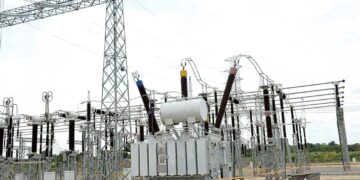















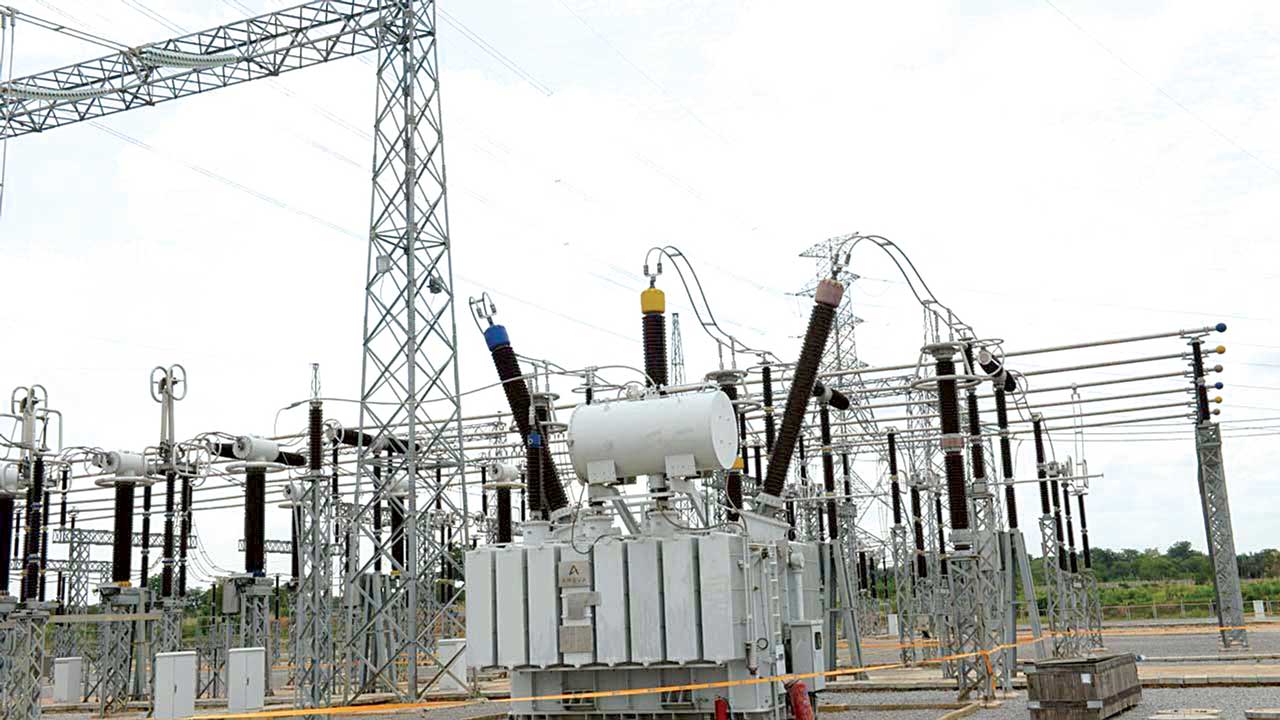
Only 43 per cent of Africans have access to electricity that works most or all of the time, with rural and low-income households among the most underserved, a new Afrobarometer report has revealed.
The report, based on its 2024/2025 survey across 38 African countries, found significant differences in access to national electricity grids and the reliability of power supplies across the continent.
According to the report released on Tuesday, about 72 per cent of Africans live in areas served by an electricity grid, while 60 per cent of households have a grid connection.
However, access remains significantly lower among rural and poor households. Only 37 per cent of rural residents and 46 per cent of poor citizens reported having electricity connections, compared with 83 per cent of urban residents and 86 per cent of better-off citizens.
The report noted that electricity reliability was even more limited, with only 26 per cent of rural residents and 27 per cent of poor citizens reporting that their power supply worked most or all of the time.
It said fewer than one in 10 respondents in Madagascar, Sierra Leone, Guinea, Mali, Zambia and Chad reported reliable electricity.
Afrobarometer also found that only 45 per cent of respondents rated their governments positively for providing reliable electricity, while 54 per cent gave negative assessments.
Mauritius recorded the highest approval at 92 per cent, followed by Morocco with 84 per cent, Seychelles with 80 per cent and Botswana with 75 per cent.
Nigeria recorded one of the lowest ratings, with only 12 per cent of citizens approving their government’s performance on reliable electricity provision.
Meanwhile, 23 per cent of Africans said they relied on alternative electricity sources, with solar power accounting for 70 per cent of those alternatives.
Afrobarometer said its findings were drawn from face-to-face interviews conducted in respondents’ preferred languages across 38 countries.