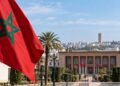





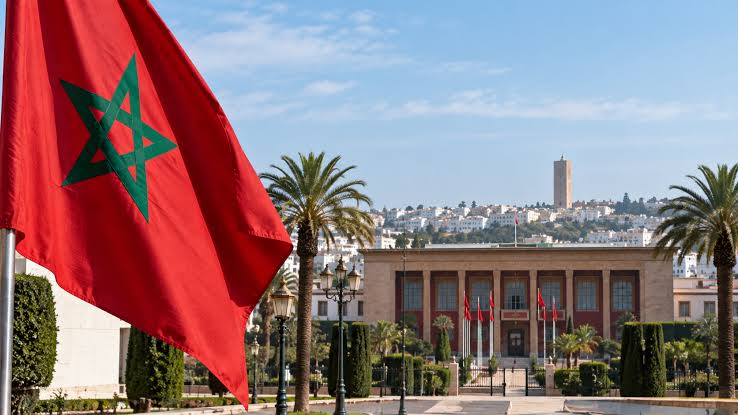
Political parties in Morocco are stepping up their campaigns ahead of the September 23 legislative elections, with candidates seeking to address voter concerns over the cost of living, unemployment and the quality of public services.
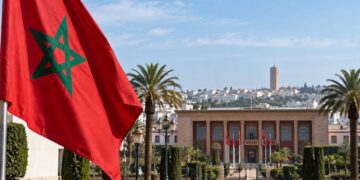
The election will determine the composition of the 395-member House of Representatives and comes amid renewed efforts by political parties to engage voters, particularly young Moroccans. The campaign officially began on September 10 and will run until midnight on September 22.
The contest is taking place against the backdrop of growing public concern over economic pressures and youth unemployment. Reuters reported that youth unemployment stands at 27 percent, while recent protests highlighted frustrations among young people over limited opportunities and the cost of living.
Among the prominent figures campaigning is Fouzi Lekjaa, president of the Royal Moroccan Football Federation and a senior member of the Authenticity and Modernity Party (PAM).
Lekjaa, alongside Youth, Culture and Communication Minister Mehdi Bensaid and other PAM candidates, visited residents in Rabat on September 14 as part of the party’s campaign activities.
The PAM campaign has focused heavily on purchasing power, employment and public services. Lekjaa has acknowledged concerns over rising prices while presenting the party’s programme to voters.
Lekjaa was initially expected to contest a parliamentary seat in his home constituency of Berkane but later decided not to stand. He has instead taken an active role in campaigning for PAM candidates across the country.
The election also comes as Morocco prepares to co-host the 2030 FIFA World Cup with Spain and Portugal, with major infrastructure and development projects forming part of the wider political debate.
With 27 parties competing for parliamentary seats and more than 15.8 million registered voters, the election campaign has increasingly centred on whether political parties can respond to everyday economic and social concerns.
The September 23 vote will also be closely watched for its impact on Morocco’s next government and the ability of political parties to reconnect with younger voters.