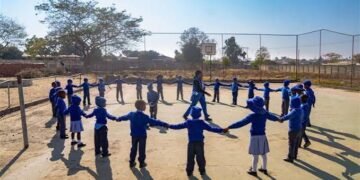

















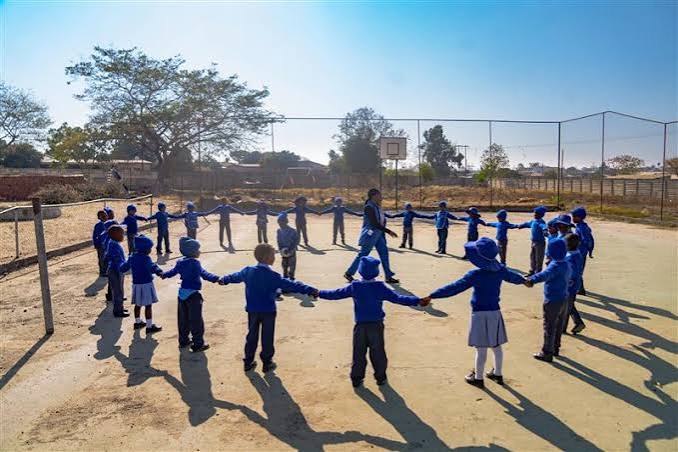
More than 11,000 Zimbabwean children who have returned from South Africa since last month are facing severe disruptions to their education, with education stakeholders warning that many could miss critical examinations and suffer long-term academic setbacks.
The concerns follow a surge in the number of Zimbabweans returning home amid anti-immigrant tensions and deportations in South Africa.
The Zimbabwe Exemption Permit (ZEP) Coordinating Committee said learners, particularly those in Grades 10, 11 and 12, are the worst affected because they have spent years studying under South Africa’s Curriculum and Assessment Policy Statement (CAPS), making it difficult to transition into Zimbabwe’s education system.
National Coordinator of the committee, Edward Muchatuta, urged the governments of Zimbabwe and South Africa to collaborate on measures that would allow affected pupils to continue learning under the South African curriculum through e-learning platforms.
According to him, students in Grades 10 and 11 have spent more than a decade following the CAPS curriculum, making immediate integration into Zimbabwe’s education system impractical. He also noted that registration for Zimbabwe’s Grade Seven national examinations had already closed, leaving many returning pupils unable to progress to the next stage of schooling.
The committee disclosed that 62,816 Zimbabweans have voluntarily returned home, including 11,090 children comprising 5,373 boys and 5,717 girls.
Although Zimbabwe’s Information Minister, Zhemu Soda, has assured that all returning learners will be accommodated in local schools, education advocates insist that a structured transition programme is urgently needed.
President of the Amalgamated Rural Teachers Union of Zimbabwe (ARTUZ), Obert Masaraure, warned that many Grade 12 learners registered for South Africa’s National Senior Certificate examinations in November 2026 risk losing years of education if forced to relocate before completing their studies.
He called on the government to establish a standardised bridging and equivalency system to prevent students from falling behind, warning that without intervention some learners could graduate two or three years later than expected.
Parents have also expressed concern over the uncertainty. One Zimbabwean mother in South Africa said fears of deportation and harassment had already affected her son’s preparation for his final examinations.
Meanwhile, education stakeholders say closer cooperation between Zimbabwean and South African authorities is essential to minimise the impact of the migration crisis and ensure thousands of affected children can continue their education without unnecessary interruption.