











African leaders, policymakers, economists and development experts have called for a stronger and more united Africa capable of shaping global governance and advancing its own economic interests as the 2026 African Economic Conference (AEC) opened in Abidjan, Côte d’Ivoire.
The conference, hosted by the African Development Bank Group (AfDB) from July 10 to 12, brought together researchers, government officials and representatives of regional and international institutions under the theme, “Strengthening Africa’s Geopolitical Agency and Trade Resilience in a Multipolar World.”
A recurring message at the session was that Africa must move beyond being a passive participant in global affairs and instead become a decisive force in shaping international economic and political outcomes.
Côte d’Ivoire’s Minister of Planning and Development, Souleymane Diarrassouba, said the continent should no longer be viewed solely as a supplier of raw materials but as a strategic player in global value chains, industrialisation and international economic governance.
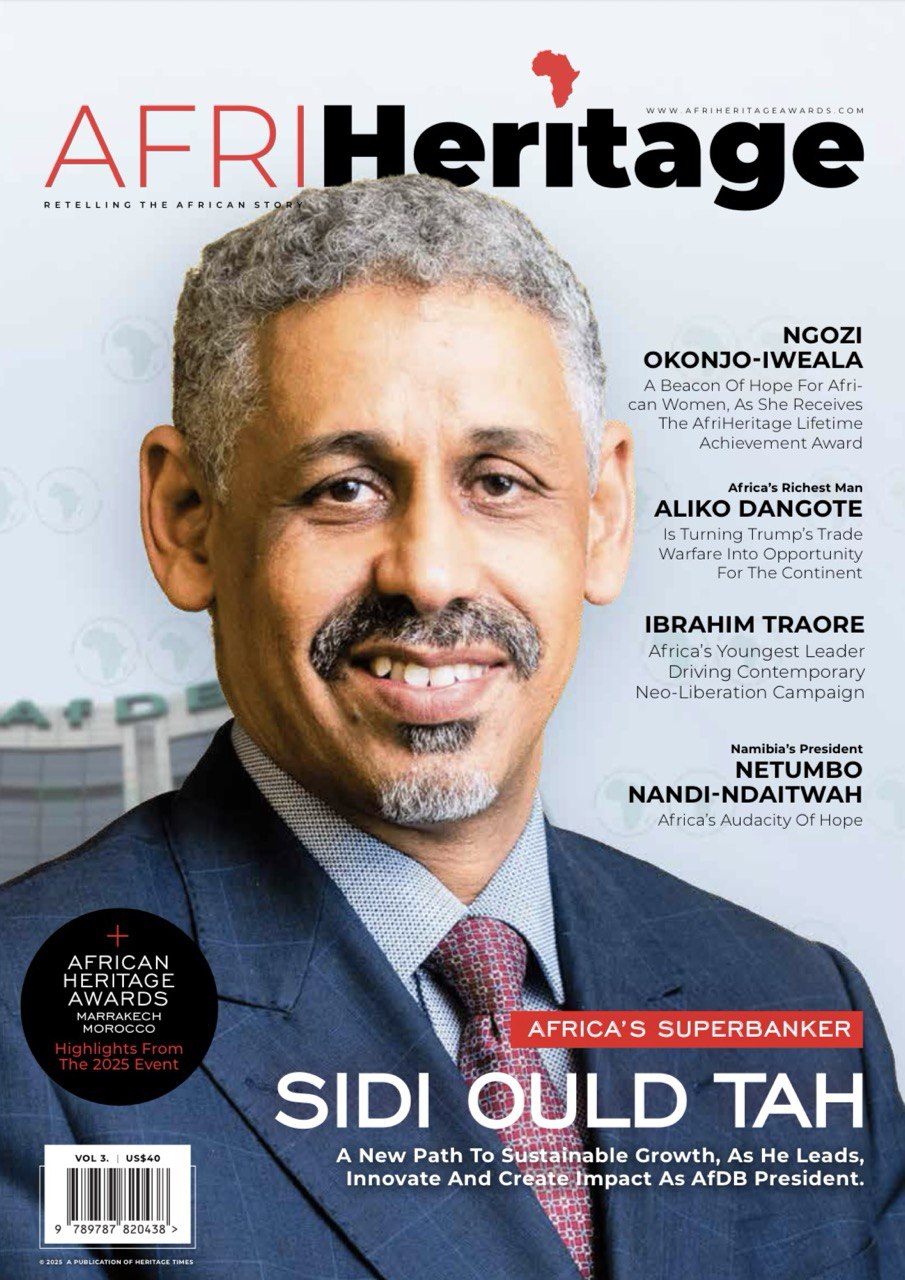
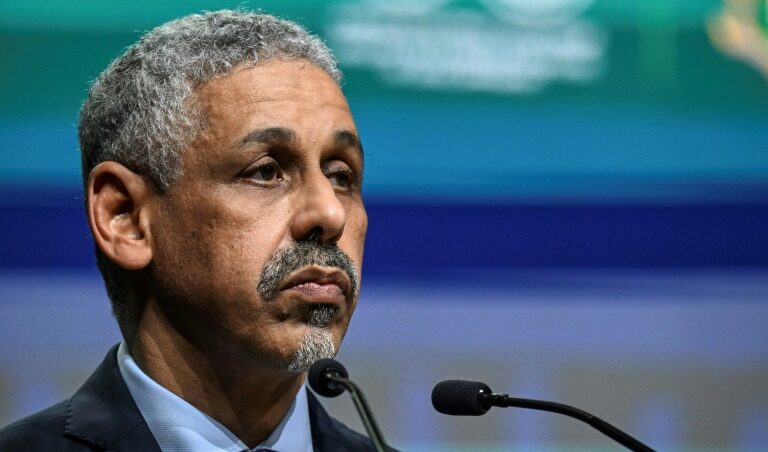
President of the African Development Bank Group, Dr. Sidi Ould Tah, urged African countries to replace narratives of dependency with those centred on resilience, competitiveness and self-determination. He said the continent’s geopolitical influence would be determined by its ability to negotiate from a position of strength, shape global rules and translate shared interests into coordinated action.
According to him, the vision aligns with the Bank’s Four Cardinal Points and the proposed New African Financing Architecture for Development (NAFAD), which seeks to strengthen Africa’s financial independence and development capacity.
UN Assistant Secretary-General and Director of the UNDP Regional Bureau for Africa, Ahunna Eziakonwa, said the changing global order presents Africa with a unique opportunity to influence the future of international governance.
She noted that stronger institutions, deeper regional integration and resilient trade systems would be critical to ensuring the continent secures a more prominent place in global decision-making.
In a recorded address, OECD Secretary-General Mathias Cormann called for more effective use of development assistance while encouraging African countries and their partners to mobilise broader sources of public and private investment to support sustainable growth.
The conference featured expert discussions on industrialisation, human capital development, digital transformation, natural resource governance, anti-corruption initiatives and expanding employment opportunities for women and young people. Researchers also presented evidence-based studies to policymakers, promoting stronger links between academic research and public policy.
Participants examined strategies for strengthening Africa’s financial autonomy, expanding domestic capital markets and reducing the continent’s vulnerability to global geopolitical and economic shocks.
Since its establishment in 2006, the African Economic Conference has evolved into one of the continent’s foremost platforms for policy dialogue, fostering collaboration among governments, development institutions, researchers and the private sector to advance Africa’s socio-economic transformation.
The 2026 edition also features the annual meeting of the Global Network of Chief Economists of Development and Financing Institutions, the launch of the African Chief Economists Network (ACE Network), and the graduation of participants from the Public Finance Management Academy for Africa and the Macroeconomic Policy Management Academy for Africa.
The conference concluded that Africa’s long-term prosperity will depend on stronger regional cooperation, greater economic resilience and a more proactive role in shaping the global agenda.