













By Enyichukwu Enemanna
The head of the World Health Organization (WHO) on Tuesday expressed concern over the “scale and speed” of an outbreak of a rare variant of Ebola in eastern Congo, where authorities reported that death toll has risen to 134, with more than 500 suspected cases recorded.
The virus spread undetected for weeks after the first known death, as authorities tested for a more familiar variant of Ebola but came up negative, health experts and aid workers said. The Bundibugyo virus has no approved medicines or vaccines.
Congo was expecting shipments from the United States and Britain of an experimental vaccine for different types of Ebola, developed by researchers at Oxford, Jean-Jaques Muyembe, a virus expert at the National Institute of Bio-Medical Research said.
“We will administer the vaccine and see who develops the disease,” he said. But experts said such efforts would take time.
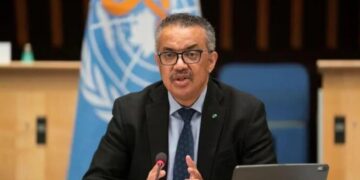
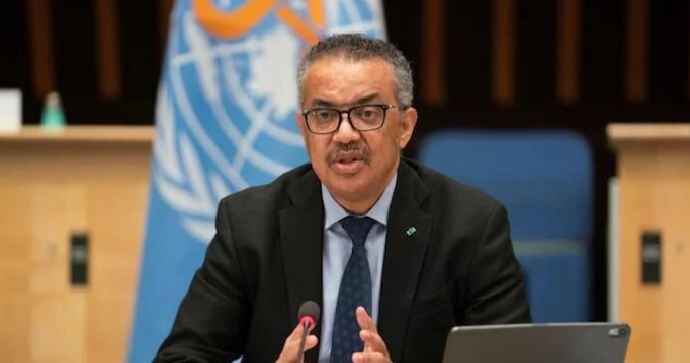
WHO Director-General Tedros Adhanom Ghebreyesus said he was “deeply concerned about the scale and speed of the epidemic,” and pointed to the emergence of cases in urban areas, the deaths of healthcare workers and significant population movement.
In Congo, 30 cases have been confirmed, Tedros later told a meeting of the U.N. health agency’s emergency committee.
He said neighbouring Uganda has informed the WHO of two confirmed cases including a death in its capital, Kampala, among people who had traveled from Congo.
WHO has declared the Ebola outbreak a public health emergency of international concern, requiring a coordinated response.
Resources were being rushed to two affected provinces near Uganda. Parts of eastern Congo are in the hands of armed rebels.
The head of the WHO team in Congo, Dr. Anne Ancia said authorities haven’t identified “patient zero.”
Dr. Ancia also said the Ervebo vaccine, used against a different type of Ebola, was among those considered for possible use, but anything approved would take two months to become available.
“I don’t see that in two months we will be done with this outbreak,” she said.
The UNICEF office in Bunia, where the first death occurred said it had been sent an initial 16 tons of relief supplies, mainly disinfectants and soaps, personal protective equipment and water purification tablets and water tanks.