




















By Ebi Kesiena
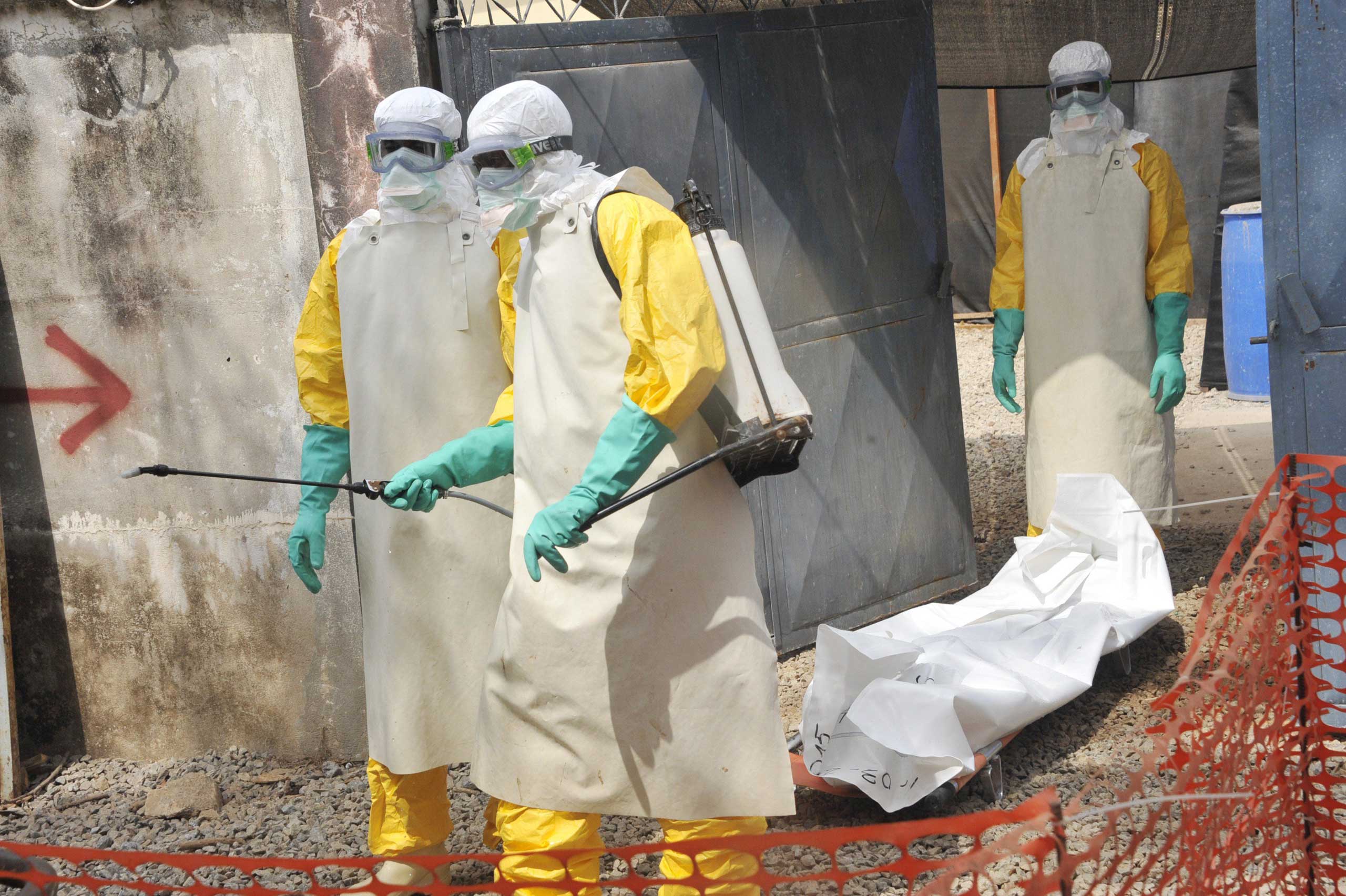
The World Health Organisation (WHO) has appealed for calm following the Ebola outbreak in the Democratic Republic of Congo (DRC) and Uganda, insisting that the disease remains manageable despite its classification as a Public Health Emergency of International Concern (PHEIC).
Reacting to concerns over the outbreak, WHO Regional Director for Africa, Mohamed Janabi, said the emergency declaration was intended to strengthen international coordination and accelerate resource mobilisation, rather than trigger panic among the public.
“Fear by itself is an outbreak,” Janabi said, stressing that Ebola can be effectively contained when accurate information and rapid response measures are in place.
He described Ebola as a severe and often fatal illness affecting humans and primates but maintained that the declaration demonstrated that global health systems were functioning properly by detecting and responding swiftly to threats.
According to him, WHO and health authorities in both countries have intensified contact tracing, surveillance, community engagement and emergency response operations aimed at containing the spread of the virus.
Janabi explained that the PHEIC designation represents the highest level of alert issued by WHO and is designed to draw global attention, mobilise resources quickly and encourage coordinated international action.
Health authorities in eastern DRC, as of May 16, recorded eight confirmed Ebola cases, 246 suspected infections and 80 suspected deaths linked to the outbreak. Additional cases were reported in Kinshasa, Goma, Beni and Kampala, while two infected persons reportedly crossed into Uganda from the DRC.
WHO warned that the actual scale of the outbreak could be larger than currently known due to unexplained deaths, high positivity rates and limited understanding of transmission patterns in affected areas.
The organisation further cautioned that insecurity, population movement and fragile healthcare systems in parts of the region could complicate efforts to contain the disease.
Meanwhile, experts from the Global Preparedness Monitoring Board warned that the threat of future pandemics continues to grow globally.
“The world is not safer from pandemics,” the experts stated, noting that disease outbreaks are becoming increasingly frequent and more destructive worldwide.